

Hear from Our Customers
You’re not imagining it. That musty smell in the basement. The persistent cough your kid can’t shake. The black spots creeping up the bathroom wall. These aren’t things you can ignore and hope they go away.
Mold doesn’t announce itself until it’s already a problem. By the time you see it, you’re usually looking at thousands in damage, health issues that won’t quit, and a property value that just dropped 20% or more. That’s the reality in Hilltop, PA, where Bucks County’s humid climate creates perfect conditions for mold to thrive behind walls, under floors, and in crawl spaces you never check.
Professional mold testing tells you exactly what you’re dealing with before it becomes a crisis. You get lab results that identify the type of mold, the concentration levels, and whether it’s a health risk or a structural threat. No guessing. No panic. Just facts you can act on—whether that means remediation, documentation for insurance, or peace of mind that your home is safe.
We’ve been testing air quality and inspecting for mold in Bucks County homes for over 20 years. We’re not a national franchise following a script. We’re locals who understand how Pennsylvania’s rising precipitation, humid summers, and older housing stock create mold problems that most homeowners don’t see coming.
We know which basements flood every spring in Hilltop. We know where moisture gets trapped in crawl spaces. We know the difference between surface mold you can wipe away and hidden colonies that require serious intervention. That knowledge matters when you’re trying to protect your family’s health and your biggest financial investment.
Our team includes licensed professionals who use EPA-approved methods, thermal imaging cameras, and moisture meters to find problems before they spread. We send samples to independent, nationally recognized labs—not in-house testing that might have a conflict of interest. You get documentation that holds up with insurance companies, real estate transactions, and your own peace of mind.
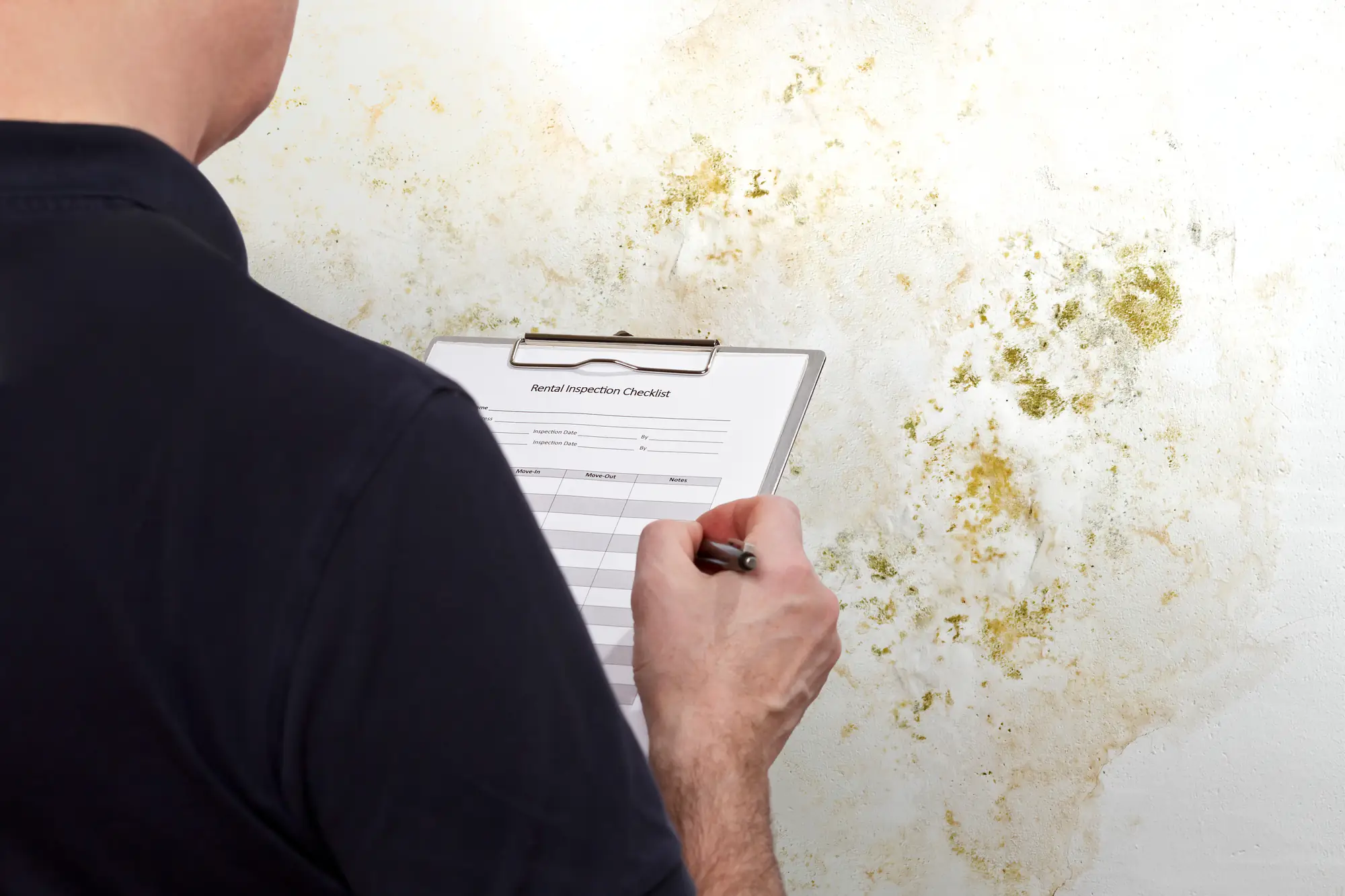
First, we walk through your home and listen. You know your space better than anyone—where the weird smell is, where water leaked last year, where the air feels different. We combine your observations with our trained eye, looking for visible mold, water stains, and conditions that promote growth.
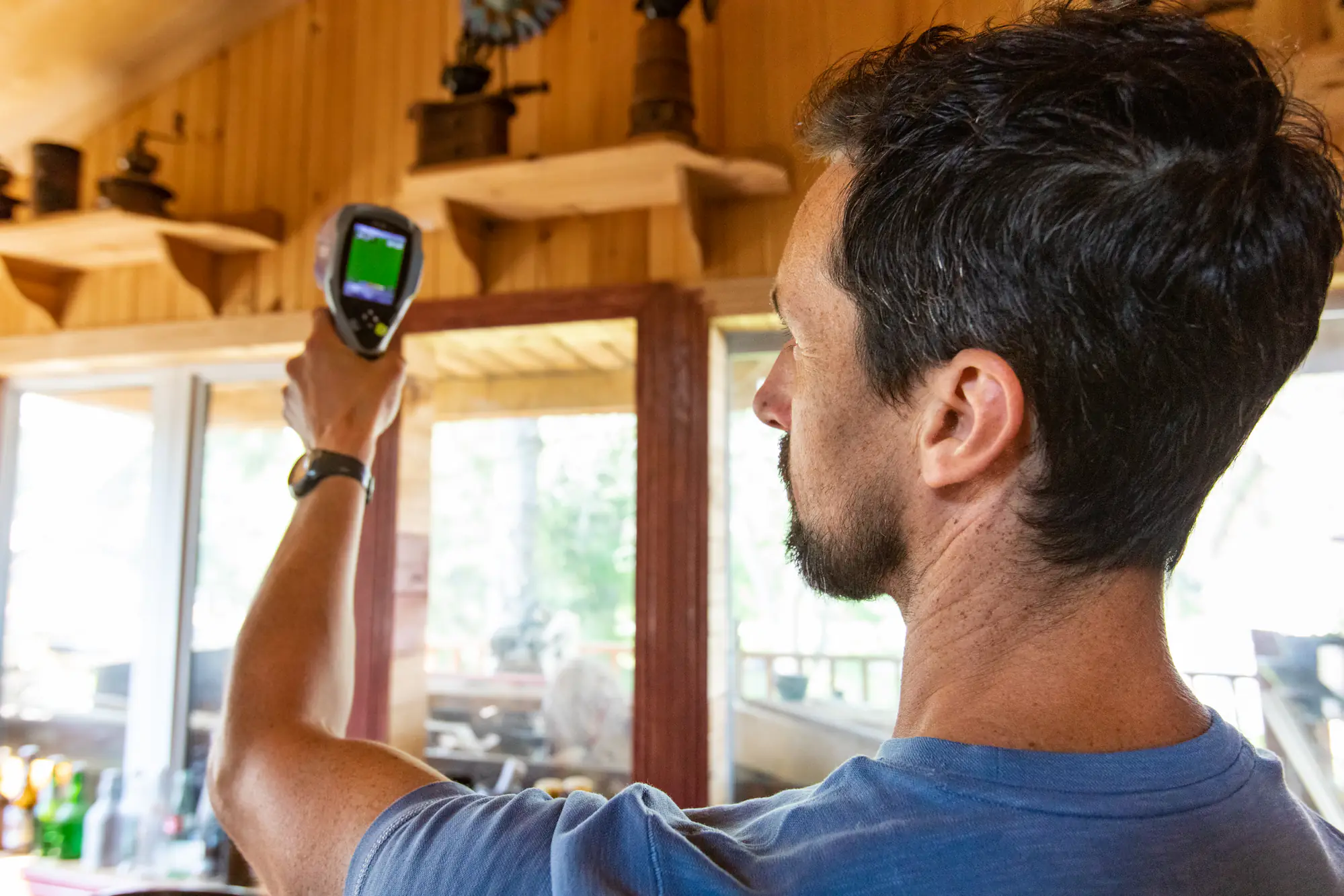
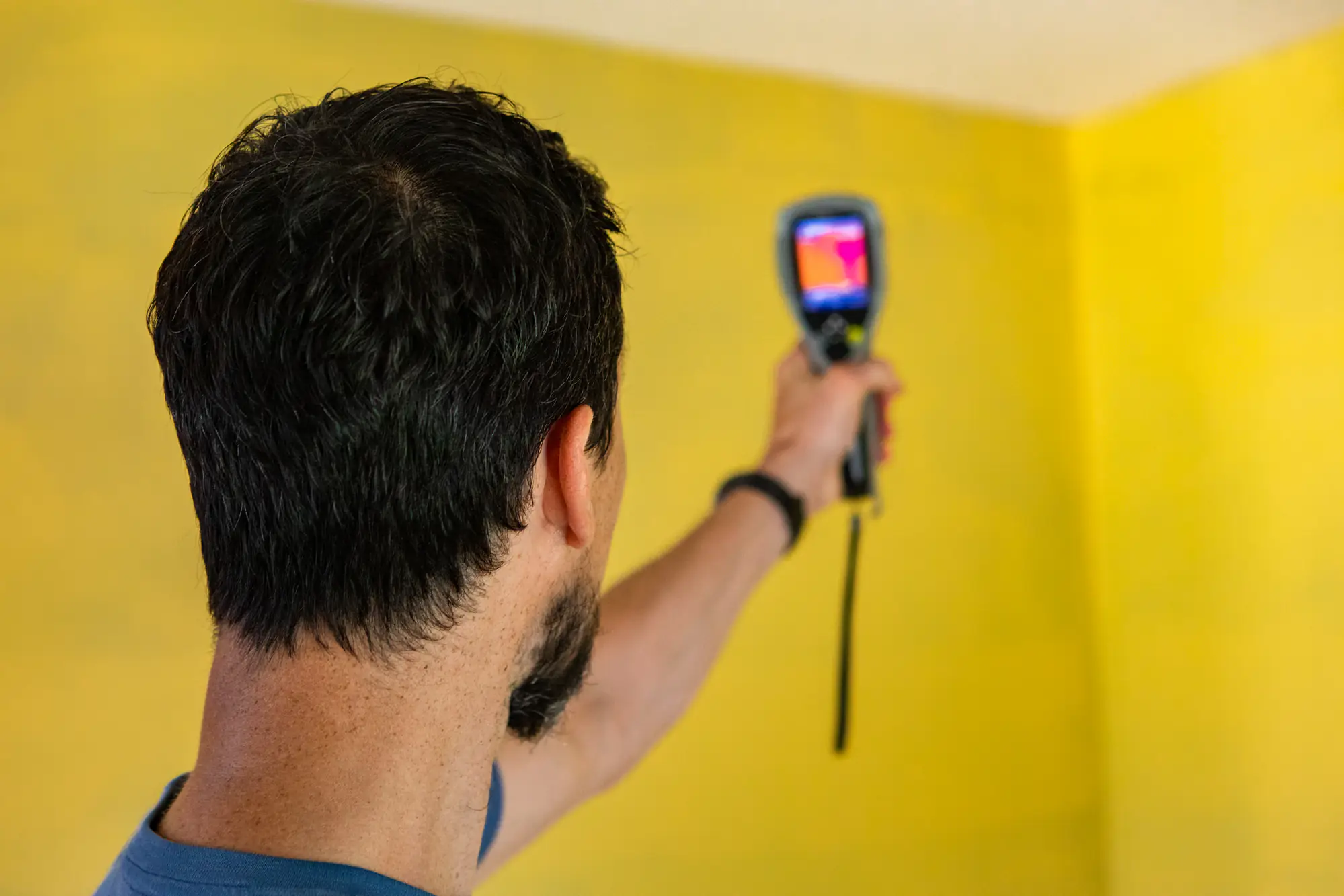
Then we use technology to find what you can’t see. Thermal imaging cameras detect temperature variations that signal moisture buildup behind walls. Moisture meters measure humidity levels in wall cavities where mold grows undetected. These tools turn invisible problems into measurable data.
Next comes sampling. We collect air samples from multiple locations throughout your home and take surface samples from any suspicious areas. Air sampling is particularly effective because it captures spores that have become airborne from hidden colonies—even if the mold is growing behind drywall or under flooring. Every sample gets sent to an independent laboratory that specializes in mold analysis.
Within 3-7 days, you receive a detailed report. It includes laboratory analysis results showing exactly what types of mold are present and their concentration levels compared to normal outdoor levels. You get photographs, moisture readings, and a written explanation of findings in plain language. No jargon. No upselling. Just the information you need to make an informed decision about next steps.
Ready to get started?
Your inspection covers every area where mold typically hides in Hilltop, PA homes. We pay special attention to basements, crawl spaces, and areas around windows—places where Bucks County’s humid conditions create breeding grounds for mold. Attics, bathrooms, and anywhere you’ve had water damage also get thorough examination.
The testing itself uses multiple methods because no single approach catches everything. Visual inspection identifies obvious growth and conditions that promote it. Air sampling detects airborne spores from hidden sources. Surface testing confirms the type of mold on visible growth. Moisture mapping shows you where water is accumulating before mold even starts.
You’re not just getting a pass/fail grade. The lab report breaks down specific mold species, their concentrations, and what they mean for your health and property. Some molds are cosmetic nuisances. Others produce mycotoxins that cause respiratory issues, headaches, and skin irritation. The report tells you which category you’re dealing with so you can respond appropriately.
Pricing is straightforward. Most residential mold inspections in Hilltop fall between $400-$600, depending on your home’s size and the number of samples needed. Our basic inspection starts at $350. You know the exact cost before we begin—no hidden fees, no surprises. Many insurance policies cover mold inspections, and we provide the documentation you need to file a claim if applicable.
You need testing if you’re experiencing unexplained health symptoms like persistent coughing, headaches, or respiratory issues that improve when you leave the house. That’s your body telling you something in your indoor air quality isn’t right. You also need testing if you see visible growth, smell musty odors, or have had any water damage—even if it was months ago and you think it dried out.
Here’s what most people don’t realize: mold can grow within 24-48 hours of water exposure, and it doesn’t need a flood to thrive. A slow leak under the sink, condensation in the attic, or humidity in the basement is enough. In Hilltop and throughout Bucks County, precipitation has risen 5-10% recently, which means more moisture is getting into homes through foundations, roofs, and crawl spaces.
If you’re buying or selling a home, testing isn’t overreacting—it’s due diligence. Pennsylvania law requires sellers to disclose known mold issues, and about half of buyers walk away once they learn a property has had a mold problem. Getting ahead of it with professional testing protects everyone involved and prevents deals from falling apart at the last minute.
A mold inspection is the visual assessment—walking through your property, looking for visible growth, checking for moisture issues, and identifying conditions that promote mold. It’s the detective work that tells you where problems exist or are likely to develop. An inspection uses tools like thermal imaging cameras and moisture meters to find hidden issues, but it doesn’t tell you what type of mold you’re dealing with.
Mold testing takes it further by collecting samples and sending them to a laboratory for analysis. The lab identifies the specific species of mold, measures concentration levels, and compares them to normal outdoor levels. This matters because not all mold is equally dangerous. Some species are cosmetic problems. Others produce mycotoxins that cause serious health issues. Testing gives you the scientific data you need to understand the severity of the problem.
Most professional services—including ours—combine both. You get the inspection to find the mold and the testing to identify it. That combination gives you a complete picture: where the mold is, what type it is, how much of it you’re dealing with, and what it means for your health and property. It’s the difference between knowing you have a problem and knowing exactly what to do about it.
Most standard residential mold inspections in Hilltop cost between $400 and $600. The exact price depends on your home’s square footage, how many samples we need to collect, and whether we’re testing multiple areas or focusing on a specific problem zone. Our basic inspection starts at $350, and we give you an upfront price before we begin—no surprises, no hidden fees.
That cost covers the visual inspection, sample collection, laboratory analysis, and a detailed report with findings and recommendations. The lab we work with is nationally recognized and specializes in mold analysis, so you’re getting accurate results that hold up with insurance companies and real estate transactions. Some homeowners worry that testing is an unnecessary expense, but compare that $400-$600 to the $3,000-$20,000 you’ll spend on remediation if mold spreads unchecked.
Many insurance policies cover mold inspections, especially if the mold resulted from a covered event like a burst pipe or storm damage. We provide detailed reports and work directly with insurance companies to help you navigate the claims process. Even if insurance doesn’t cover it, testing is a small investment compared to the cost of health issues, structural damage, or losing 20-37% of your home’s value because buyers discover mold during their inspection.
Home test kits will tell you that mold exists, but they won’t tell you what type, how much, or whether it’s a health risk. They’re like checking your temperature when you’re sick—it confirms you have a fever, but it doesn’t diagnose the illness or tell you how to treat it. You’ll spend $40-$50 on a kit, wait for results, and still not have the information you need to make a decision.
Professional testing uses multiple methods that DIY kits can’t replicate. We collect air samples that detect hidden mold growing behind walls or under floors—places where surface swabs won’t reach. We use thermal imaging to find moisture buildup and moisture meters to measure humidity levels in wall cavities. The samples go to an independent laboratory that provides detailed analysis of mold species and concentration levels, not just a yes/no answer.
Here’s the bigger issue: if you’re testing because you’re worried about health problems, property value, or a real estate transaction, a home kit won’t give you documentation that anyone will accept. Insurance companies want professional reports. Buyers want certified inspections. Remediation companies need accurate data to create a treatment plan. Spending a few hundred dollars on professional testing saves you from guessing, making mistakes, or having to test again later with a certified company anyway.
First, don’t panic. Finding mold doesn’t mean your home is unlivable or worthless. It means you have information you can act on. The lab report will tell you what type of mold is present, the concentration levels, and whether it’s a health concern or primarily a structural issue. Some mold can be cleaned with proper techniques. Other types require professional remediation. The report gives you the facts you need to respond appropriately.
If remediation is necessary, you’ll know exactly what needs to be addressed and why. We don’t just hand you results and disappear—we explain what the findings mean in plain language and what your options are. If the mold resulted from a covered event like a plumbing leak or storm damage, your insurance may cover the cost of removal. We provide the documentation you need to file a claim and work directly with insurance companies to support the process.
The key is addressing it correctly the first time. Mold removal isn’t something you want to DIY or hire the cheapest company to handle. Improper remediation spreads spores throughout your home and makes the problem worse. We use EPA-approved methods and comply with all Pennsylvania regulations for mold remediation. You get a detailed plan, transparent pricing, and a guarantee that the job is done right—so you can move forward with confidence that your home is safe and your property value is protected.
The on-site inspection and sample collection typically takes 1-3 hours, depending on your home’s size and how many areas we’re testing. We’re thorough, but we’re not going to waste your time. You can be present during the inspection or not—whatever works better for your schedule. Some homeowners want to walk through with us and ask questions. Others prefer to let us work and review the findings later.
After we collect samples, they go to the laboratory for analysis. Lab results come back within 3-7 days. Once we receive the results, we compile them into a detailed report that includes laboratory analysis, photographs, moisture readings, and a written explanation of findings. You’ll have that complete report in your hands within a week of the inspection, sometimes sooner.
If you’re working with a tight timeline—like a real estate transaction with a closing date or an insurance claim with a deadline—let us know upfront. We can often expedite the process or coordinate with other parties involved. The goal is to give you accurate information quickly enough that you can make informed decisions without unnecessary delays. Most homeowners tell us the timeline was faster than they expected, and the report was clearer and more useful than they thought it would be.
Other Services we provide in Hilltop